
Kling AI
We may earn a commission if you sign up through our link · Affiliate disclosure
Facts verified:
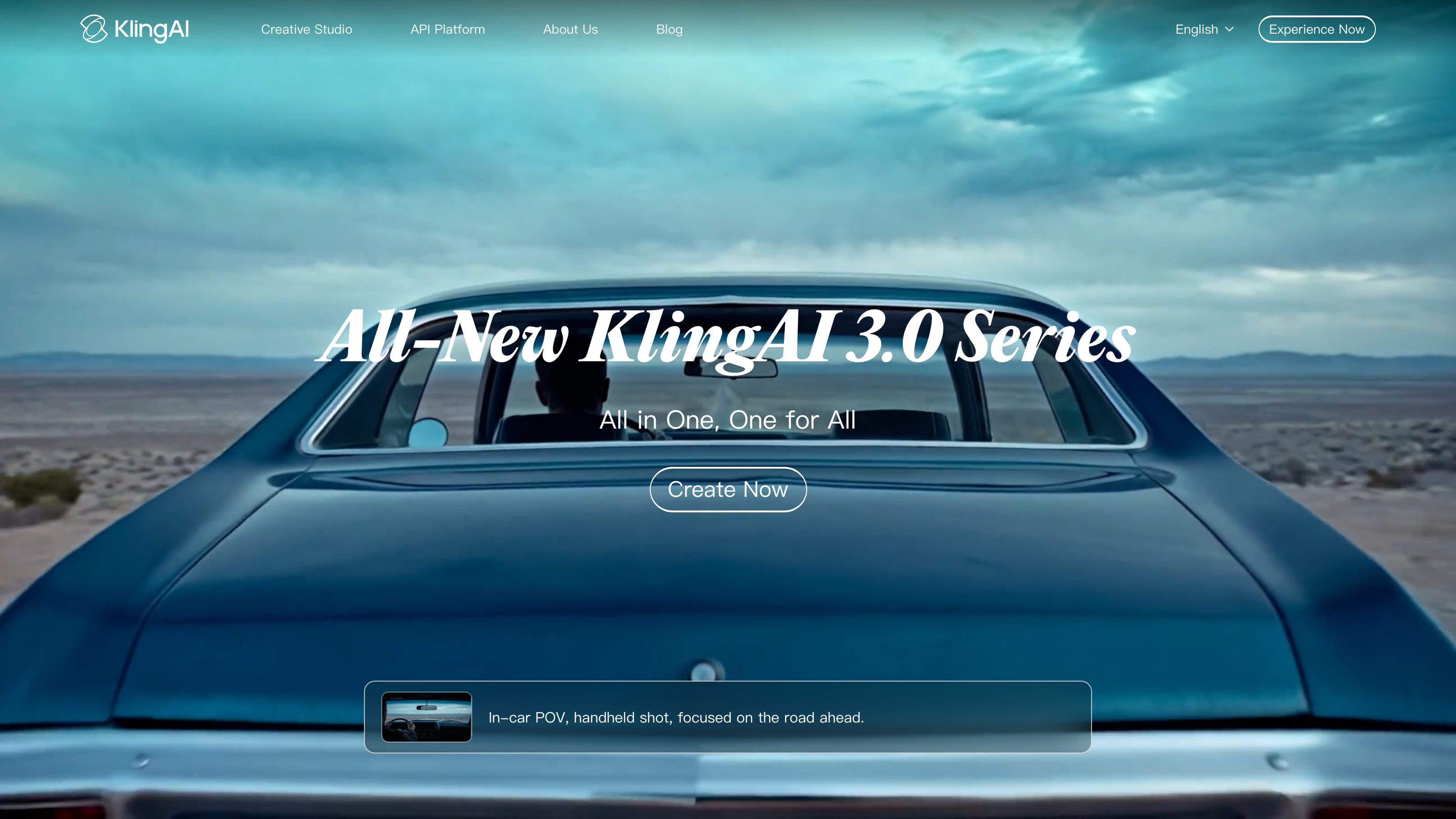
Kling AI Review: Can This AI Video Platform Deliver Studio-Quality Results?
TL;DR
This Kling AI review covers a web-based AI video generation platform that turns text prompts and static images into motion video content. Kling AI targets content creators, marketing teams, and businesses that need fast, scalable video production without traditional production crews or equipment. Pricing is not publicly listed as of July 2026, so buyers must contact the vendor before making any budget commitment.
Overview
Kling AI is an AI-powered video creation platform available at klingai.com. It sits within the growing category of AI Apps for Videos - tools that use generative models to automate video production from scratch. The core problem it solves is straightforward: producing video content at scale is expensive, slow, and technically demanding. Kling AI removes most of those barriers by letting users generate, animate, and audio-sync video content through a single web interface.
The platform is built around its Video 3.0 Series Models, which handle everything from scene generation to motion consistency. Users can input a text description or upload an image, and the system builds a video clip with realistic movement, framing, and lighting. There is no desktop software to install - the entire workflow runs in a browser.
Kling AI has earned Featured status among AI creative tools, reflecting its position as a notable option in a competitive space. It appeals to a wide range of users, from solo creators producing social content to agencies managing large volumes of ad variations.
One important note: this review is grounded in what the platform actually offers according to verified vendor data, not in aspirational marketing claims. Pricing and feature details in this review were verified from the official site in July 2026.
Key Features
Video 3.0 Series Models
The foundation of Kling AI is its Video 3.0 Series Models. These are the generative AI engines that interpret prompts and produce video output. The "3.0 Series" designation signals a more recent generation of the underlying model architecture, which typically means improved motion coherence, better prompt adherence, and more realistic output compared to earlier versions. Users selecting from this model series get access to the platform's most capable generation pipeline.
15-Second Intelligent Scene Splitting
One of Kling AI's more practical production features is 15-Second Intelligent Scene Splitting. Rather than generating one undifferentiated video block, the platform can automatically divide content into structured scene segments of up to 15 seconds each. This matters for storytelling-driven projects where pacing and scene transitions affect whether a viewer stays engaged. For marketing teams building ad sequences or content creators building narrative shorts, this feature reduces the manual editing work needed after generation.
Audio-Visual Sync
Kling AI includes Audio-Visual Sync, which aligns generated or imported audio to the visual content of a video. This matters because one of the most common weaknesses in AI-generated video is a mismatch between what you hear and what you see - mouths moving out of time with speech, music that cuts awkwardly against scene changes. Synchronized audio, whether music, voice, or sound effects, makes finished content feel more polished and closer to broadcast-ready output.
Multi-language and Dialect Support
The platform offers Multi-language and Dialect Support, which is a meaningful differentiator for global teams and international content creators. Many AI video tools are effectively English-first, making them less useful for creators producing content in Spanish, Mandarin, Arabic, or regional dialects. Kling AI's support across languages opens up Multilingual Support use cases that would otherwise require separate localization tools.
Series and Batch Image Generation
For users who need to produce content at volume, Series and Batch Image Generation allows multiple image assets to be processed or generated in a single workflow pass. This is particularly relevant for e-commerce brands, advertising agencies, and marketing teams that need consistent visual sets across a campaign rather than one-off outputs.
High Consistency and Controllability
Kling AI emphasizes High Consistency and Controllability as a core design principle. Consistency means that characters, styles, and scenes maintain visual coherence across a generated video - a known pain point in generative video tools where AI models can produce drift between frames, causing characters to change appearance or backgrounds to shift unexpectedly. Controllability means users have meaningful input over outputs, rather than accepting whatever the model generates. Together, these properties make the platform more viable for professional applications where brand consistency matters.
Text-to-Video Generation
The platform's Text-to-Video Generation capability lets users describe a scene in plain language and receive a video clip in return. This is the entry point for most new users and the feature that makes Kling AI accessible to people without video production backgrounds. Output quality depends heavily on how prompts are written, but the feature is designed to handle both simple and detailed descriptions.
Generative AI and Automation and Workflow
Kling AI uses Generative AI throughout its pipeline, automating steps that would normally require a human editor, animator, or videographer. The Automation and Workflow layer means users can move from concept to finished asset faster than traditional production allows, which has direct implications for content velocity and campaign turnaround times.
Kling AI: Pricing
Pricing is not publicly listed on the homepage in the verified data available for this review. The platform does not display clear tier names, monthly prices, or credit-based costs in the information available from the official site at the time of verification in July 2026.
This is a meaningful gap for buyers evaluating Kling AI. Without published pricing, it is impossible to compare cost per video against competing platforms - such as Runway ML's published plans or Pika Labs' credit-based tiers - or to forecast monthly spend. Users interested in the platform should visit klingai.com directly and look for a pricing page, or contact the team for a quote before committing.
The absence of transparent pricing is noted as a real limitation in this review, not a minor inconvenience. Buyers making budget decisions need numbers, and a tool that withholds them creates real friction in the evaluation process.
Who It's Best For
Content creators and video creators producing social media content, YouTube videos, or short-form clips will find Kling AI's text-to-image and image-to-video workflows useful. The platform reduces the time between having an idea and having a publishable asset.
Marketing teams and agencies running paid social or display advertising campaigns can use the Batch Image Generation and Scene Splitting features to produce multiple ad variants efficiently. High Consistency and Controllability supports brand-safe output across large creative runs.
E-commerce brands that need product imagery and short video clips at scale benefit from the series and batch generation capabilities. Producing consistent visual assets for multiple SKUs without a production shoot is a realistic use case here.
Educators and corporate communications teams can use the platform's Multi-language and Dialect Support to produce training videos or explainer content in multiple languages from a single workflow. This reduces localization costs and time.
Storytelling and film-focused creators working on short narrative projects can take advantage of Intelligent Scene Splitting and Audio-Visual Sync to structure generated footage into something closer to an edited cut.
Who should look elsewhere: Users who need precise frame-level control over character animation, complex 3D motion graphics, or fully custom visual effects pipelines will find AI-generated video tools limiting in general - not just Kling AI. Tools like Adobe After Effects or Runway's more advanced professional tiers serve those needs better. Buyers with tight budgets who need confirmed per-unit pricing before testing should also look elsewhere - platforms like Runway ML and Pika Labs publish clear free tiers and credit costs, letting teams forecast spend before committing.
Alternatives
Runway ML is one of the most direct competitors in the AI Apps for Videos space. It offers text-to-video and image-to-video generation with published pricing tiers, a free plan, and a more established track record of third-party coverage. Runway is a strong alternative for buyers who need pricing transparency and a proven output benchmark.
Pika Labs is another web-based AI video generation tool with a focus on short-form clips and creative animation. It is particularly popular among content creators and influencers for its accessible interface and visible credit-based pricing model.
Synthesia serves a different but overlapping audience, focusing on AI Actors and presenter-style videos for corporate communications and educational videos. If your primary use case is spokesperson-style training content rather than cinematic scene generation, Synthesia is worth evaluating alongside Kling AI.
FAQ
What types of video can Kling AI generate? Kling AI supports text-to-video and image-to-video generation through its Video 3.0 Series Models. Users can produce cinematic scenes, animated clips, and structured video sequences with audio. The platform is built for a wide range of formats including social media clips, branded content, and narrative short-form video.
Does Kling AI support languages other than English? Yes. Multi-language and Dialect Support is listed as a verified feature of the platform. This makes Kling AI more useful for international content creators and global marketing teams that produce content in multiple languages - a clear advantage over many English-first competitors.
Is Kling AI available as a desktop app or API? Based on verified data from the official site as of July 2026, Kling AI is a web-based platform only. No desktop application or API access is confirmed in the available product information. Teams needing deep pipeline integration should confirm this directly with the vendor before purchasing.
How does Kling AI handle audio in generated videos? The platform includes Audio-Visual Sync, which aligns audio content to the visual output of a generated video. This reduces the common AI video problem of audio and visuals feeling disconnected. The exact capabilities around custom audio import versus AI-generated audio are not fully detailed in the verified data.
Who is Kling AI designed for? Kling AI targets a broad range of users including content creators, marketing teams, e-commerce brands, and corporate communications teams. Its batch generation and multi-language features make it particularly useful for organizations producing video at scale across multiple markets or campaigns.
Kling AI: Final Verdict
This Kling AI review concludes that the platform is a technically capable AI video generation tool with real strengths in scene structure, audio sync, batch production, and multilingual output. The Video 3.0 Series Models and High Consistency and Controllability features set a reasonable bar for professional-grade AI-generated content, according to verified vendor data from July 2026.
The platform is best suited for marketing teams, agencies, and content creators who need to produce video at volume without a traditional production setup. Its Featured status among AI Apps for Videos reflects genuine capability, not just marketing positioning.
The main caveat is pricing opacity. Without published plans and costs, buyers cannot make an informed budget decision without going through a sales or contact process. For teams where procurement requires clear cost justification upfront, this friction may push the evaluation toward more transparently priced competitors like Runway ML or Pika Labs. Confirm pricing directly at klingai.com before committing resources to the platform.
The facts.
Pulled from Kling AI’s own pages and dated so you can see how current each one is. Anything we could not confirm is left out rather than guessed.
- Platforms
- web checked Oct 2026
Pros & cons.
We don’t publish star ratings we can’t defend. These come from running Kling AI on live briefs.
AI-generated analysis; edited and accountable: Tom Young. Data is verified from vendor sites on a dated schedule, not hands-on trials.
- Verified
- July 2026
- Pipeline
- 2026.07.04-1
- Checks run (2)
- author, quality_review
- SEO score
- 65
- Evidence sources (1)
- klingai.com